The Power of Radio

Every campaign you hear on the radio started life as a decision made long before a single ad was recorded. Someone chose a goal, someone chose an audience, and someone chose where the money would go.
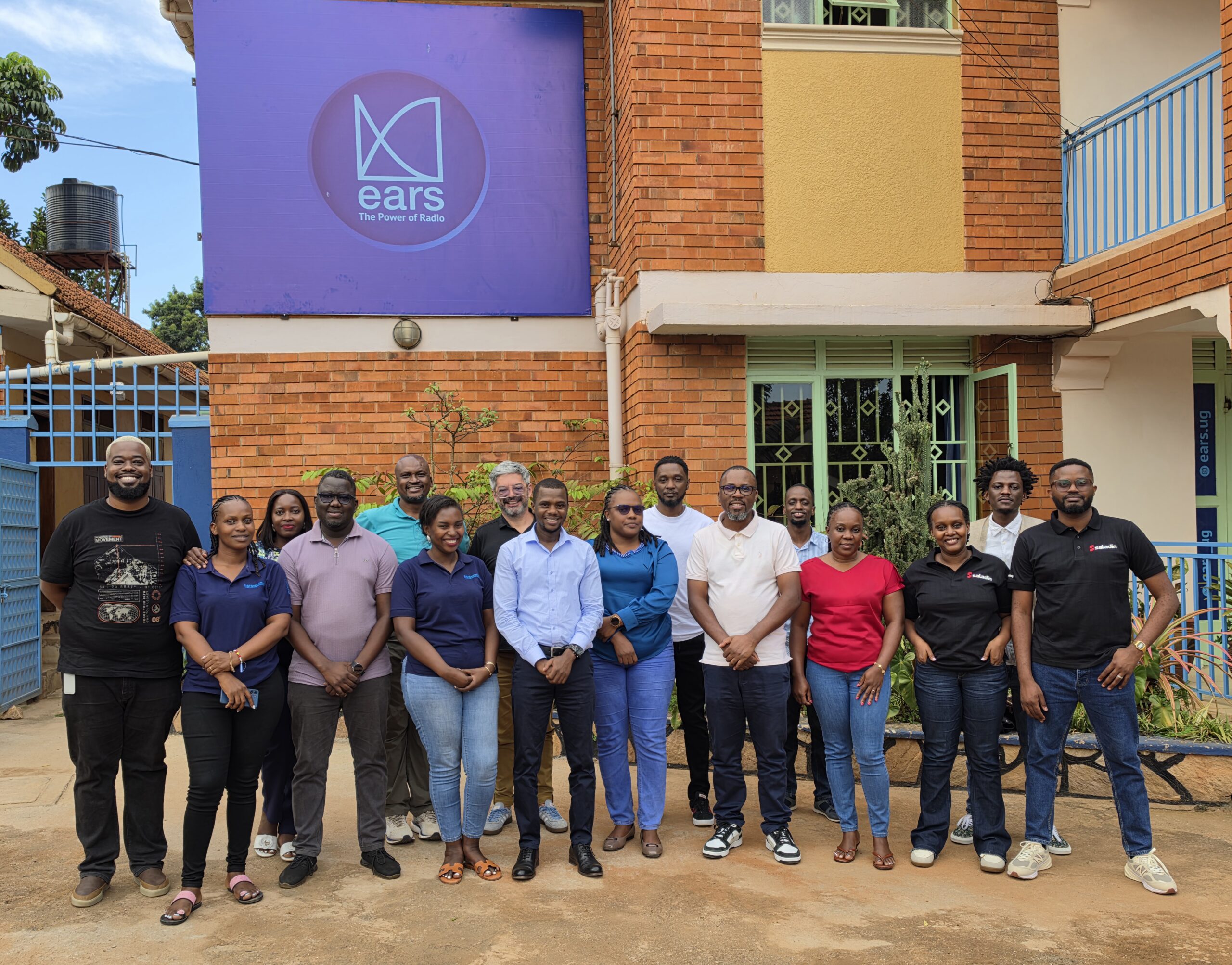
Last week, EARS hosted a full-day Marketing Investment Masterclass with Rommel Jasi, CEO of Saladin Media Group and former President of the UAA. With experience on bot h the agency and advertiser sides of the industry, Rommel walked us through how investment decisions are made, and what aggregators, agencies and advertisers can each do to make them better. Here are the ideas that stayed with us.
Multinational marketing teams usually start by asking where growth will come from. There are three pools. The first is existing customers: keeping them and growing their spend, usually the most efficient value per person reached. The second is adjacent customers, people who buy a competitor in the same category and need a clear reason to switch. The third is expansion audiences, people who do not yet buy into the category at all.
Only once that question is answered does the media conversation begin. Channels are chosen to serve a growth goal, not the other way around.
Agencies tend to work through a brief in a clear sequence: defining the business ambition, deciding who to target and what communication must do, setting the strategic direction, crafting the channels, formats and budgets, going live with in-flight optimisation, and finally analysing results to shape the next round.
The lesson for everyone in the chain is simple. Conversations land better when we know which stage of that journey the other person is in.
Good planners ask what a piece of communication needs to achieve, whether that is building salience, earning credibility, driving engagement or prompting a response, and then choose the tools that do it. Seen this way, a channel is never judged in isolation. It is judged by the job it does in the whole plan.
The audience data makes a strong case here. According to Ipsos NAMS Wave 3 (2026), radio reaches around 89% of people weekly across Uganda’s regions outside Central, compared with 34% for TV. That translates to more than 8.4 million people outside Central who can be reached weekly by radio but not by TV.
The audience also listens locally. Outside Central, no single station holds more than 8% of listening time. For advertisers who want real coverage across the country, local-language, regional radio is the way to get it.
Understanding this chain helps everyone in the industry have more informed conversations about where audio is heading.
Why this matters
The most useful moment of the day was the shift in perspective. Advertisers want confidence in where their investment goes. Agencies want evidence they can defend. Aggregators bring scale, local reach and station relationships. Each side works better when it understands what the others are solving for, and that is how an industry moves forward together.
Thank you to Rommel Jasi and the Saladin Media Group team for sharing their time and expertise with us.
Let’s keep the conversation going. If you plan media for an agency or an advertiser, we would like to hear what you need from your audio partners.