The Power of Radio

Radio has long been the heart of mass media in Uganda. For generations, it was simple: tune your radio set, press play, and listen. Until recently, that was enough to reach most Ugandans. Today, the way people access radio is changing.
As digital adoption grows, traditional FM broadcasts are being augmented by streaming and online radio access expanding reach, diversity, and listening experiences. But let’s start with the data.
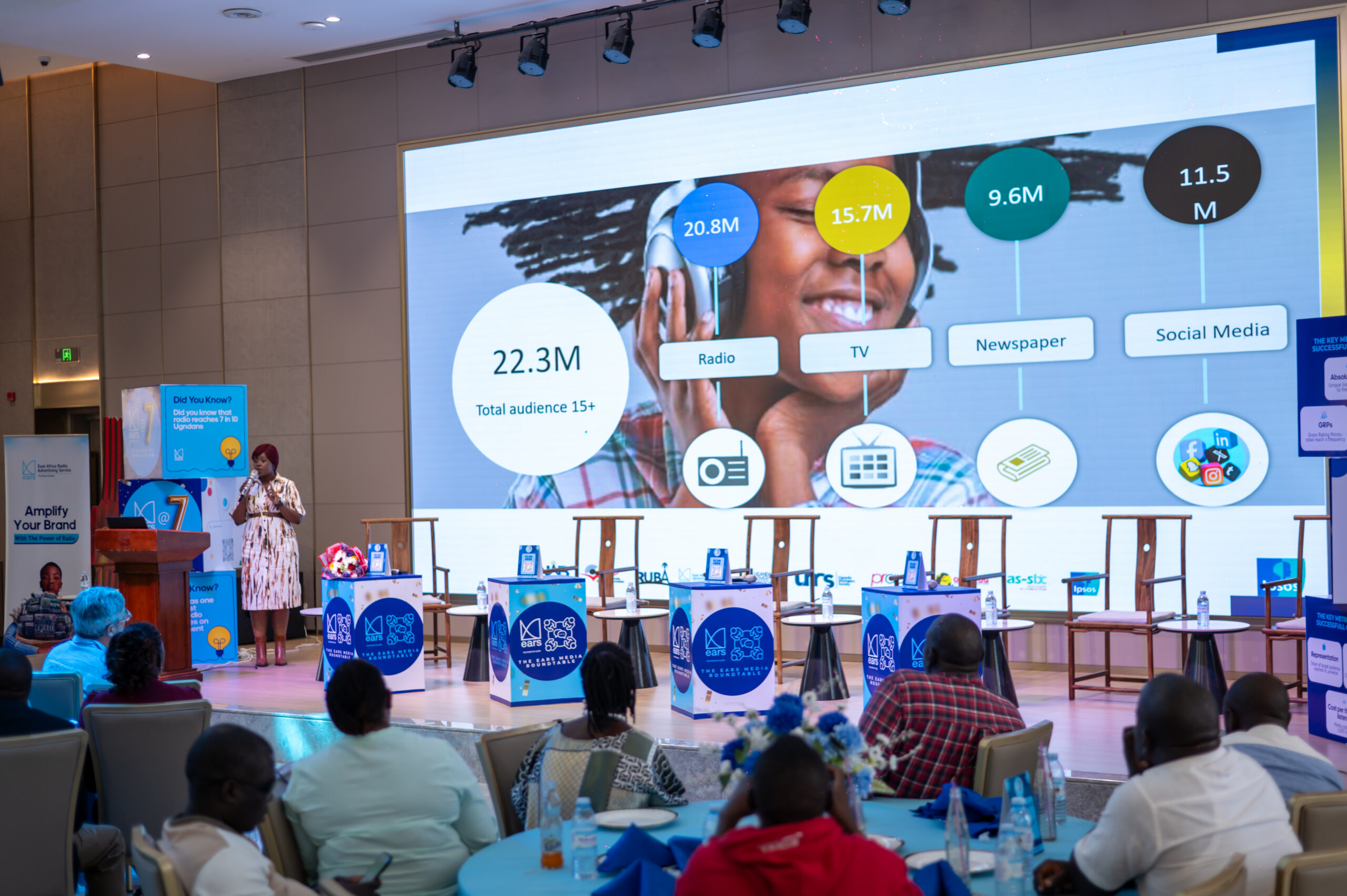
Even as digital platforms expand, radio remains deeply embedded in Uganda’s media habits:
These figures remind us why radio has remained and continues to be the most accessible and trusted mass medium in Uganda.
While traditional FM radio continues to deliver the broadest reach in Uganda, online radio streaming is steadily emerging particularly among younger, urban, and diaspora audiences. Recent audience segmentation estimates suggest that approximately over 340,000 Ugandans actively stream radio online, with the majority of these listeners falling between 18 and 34 years old, indicating that streaming adoption is strongest among digitally connected youth.
This growth sits within a broader digital context where internet penetration remains at around 22% of the population, meaning that while millions can now access radio digitally, a far larger audience still relies on traditional FM listening . The picture that emerges is clear; streaming is expanding radio’s reach, including to Ugandans abroad but FM radio remains the foundation. Digital platforms are not replacing radio; they are extending it to new audiences and new listening moments.
At EARS, we see radio as a living medium, one that adapts rather than fades. Radio’s tradition of broad accessibility remains intact, even as streaming and digital adoption introduce new pathways to listen. In this era, radio’s relevance isn’t defined by signal alone, but by how easily it can be found, shared, and enjoyed across platforms.
For brands, this means; radio remains a core anchor for reach and trust, digital platforms can extend message lifespan and measurement and integrated radio + streaming strategies deliver deeper engagement
If your brand is thinking about how to integrate radio and digital audio effectively in 2026, now is the time to act. Radio still delivers reach. Let the EARS team help you build a campaign that harnesses both reaching audiences where they listen today and where they are headed tomorrow.
Contact us to start planning your next radio & digital audio campaign.