The Power of Radio

In an era where screens and social platforms get much of the attention, the everyday media reality in Uganda tells a different story: radio continues to deliver the broadest, most inclusive reach. Understanding this truth allows brands to leverage aggregated audiences meaningfully, rather than chase fragmented buzz.
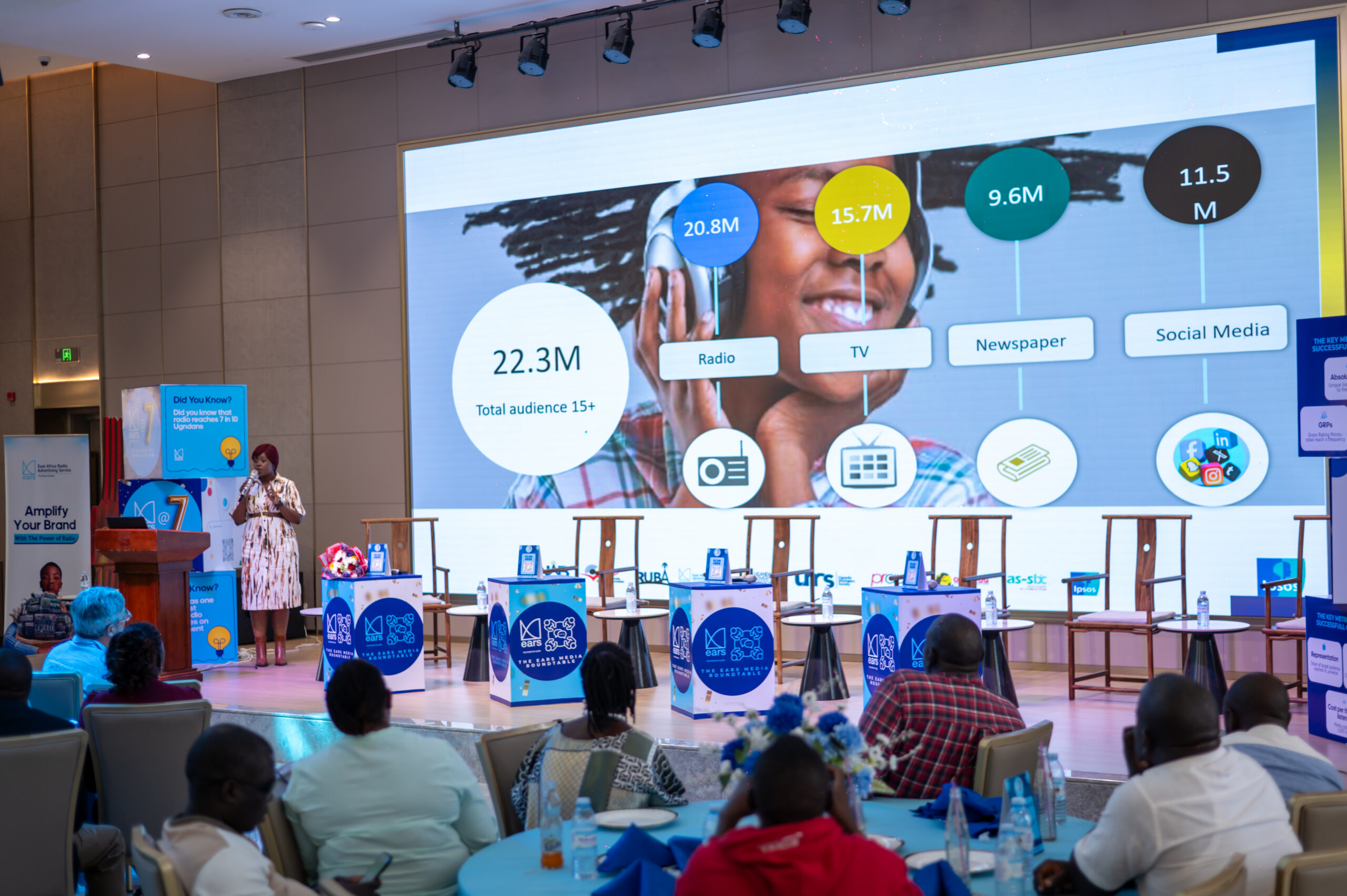
IPSOS 2026 National Audience Measurement data (NAMS) approved by the Industry Technical Review Team (TRT) consistently shows that 68% of Ugandans rely on radio for information, compared with 43% for television and just 19% for social media, even amid expanded digital access. This isn’t nostalgia, it’s reach and resilience.
The Power of Aggregated Audiences
Aggregated audiences refer to combined listenership across multiple stations, regions, and segments. In Uganda, this aggregation matters because:
Uganda’s fragmented FM stations covering urban and rural areas alike.
About 38.3% of households own a radio, far more than the 14.1% owning televisions or 2.3% accessing social media platforms.
Radio covers almost all demographics, income, education, and geography far more evenly than social media, which remains concentrated among younger, urban and higher-income groups.
For advertisers, aggregated audiences are more than numbers. They represent the real, targeted impact of a message, not just where engagement feels trendy.
FM Radio’s Resilience in a Social Obsessed Narrative
There’s no denying that digital consumption has grown and the number of social media accounts in Uganda edges upward each year, with roughly 2.4 million active social media user identities, representing about 4.6% of the population.
Even where digital content is available, it rarely matches radio’s population coverage, a key metric for reach planning.
What This Means for Brands
Reach Comes Before Precision: Aggregated radio audiences deliver scale across segments. While social campaigns may drive engagement among specific cohorts, radio ensures broad awareness, the foundation on which engagement thrives.
Context Trumps Buzz; Social media captures attention among connected users, but it cannot replace a medium accessed by the majority of Ugandans.
Integrated Planning Requires Intent: Brands that succeed with radio don’t treat it as an afterthought. They use aggregated audience data to; Identify which stations together deliver mass reach, understand regional nuances across Uganda and build campaigns that are strategically sequenced (reach → reinforcement → conversion)
Data Is the Differentiator: Campaigns guided by data, not intuition avoid the pitfalls of assuming digital equals reach in every market. In contrast, radio’s consistent reach data reveals where actual audience attention lives.
A Strategic Mindset, Not a Tactical Choice
In Uganda’s media landscape, listening is an everyday behaviour. People don’t just use radio occasionally, for most, it is a daily habit, trusted and familiar.
Digital platforms are valuable, but they do not yet rival radio’s reach at the population level. For brands that integrate aggregated audiences into planning, the result is stronger awareness, deeper resonance, and media plans that reflect how Uganda truly listens.