The Power of Radio

Radio’s reach in Uganda is still the foundation of what we do. Each week, 82% of people reach radio, and about 10.3 million listen every day (Ipsos Uganda, Wave 3, 2026). The question our team spent last week exploring is how that trusted audience also moves onto the phone, and how to sell audio that is measured in new ways without losing what made radio work.
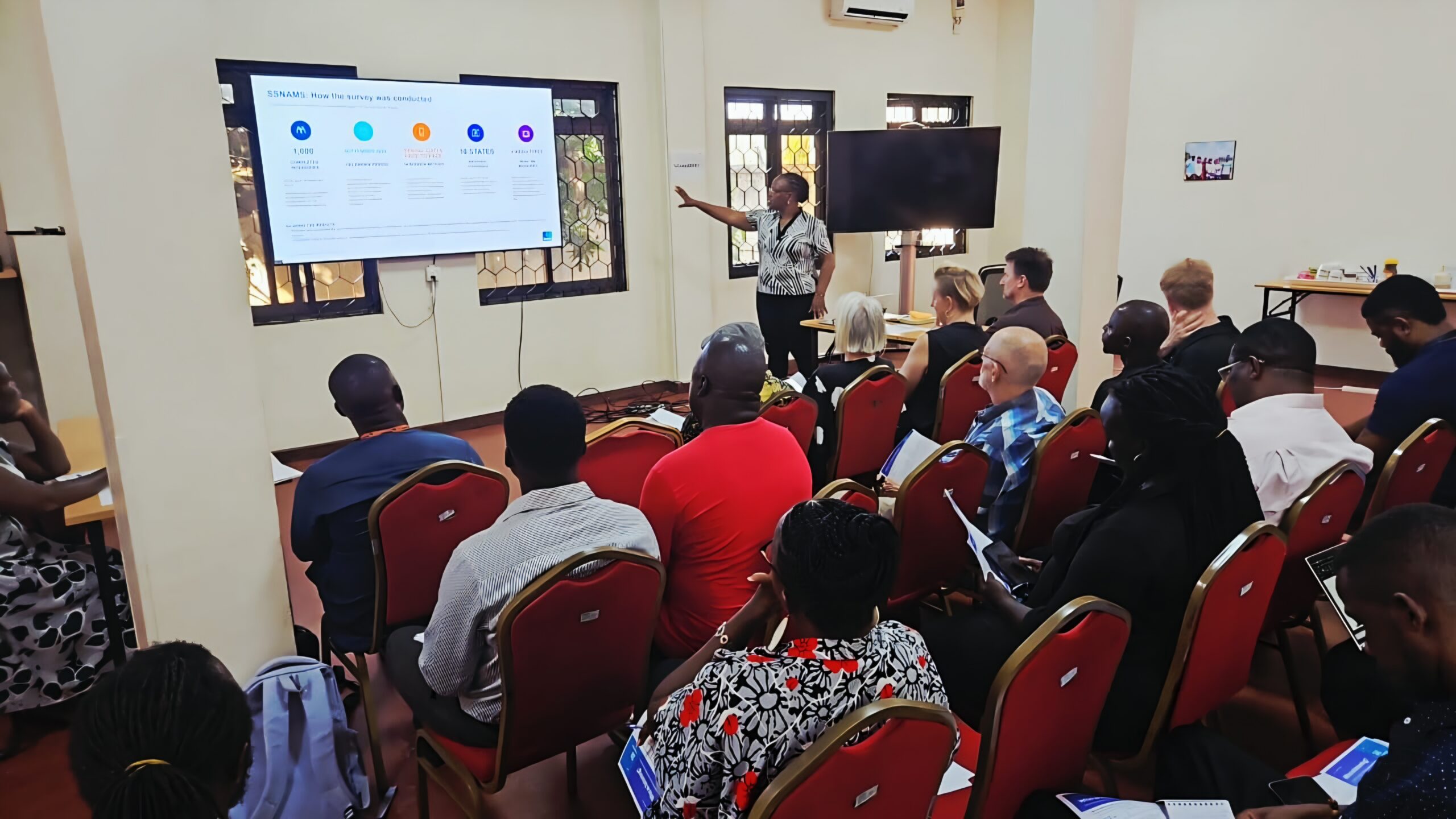
Last week, the EARS team completed a week of digital audio training led by Christoph Kruse, a German media professional with long experience in European Digital radio and audio. The week was built around practical exercises, with teams working through the full journey from pitch to campaign to launch plan.
Why audio is moving onto more platforms
Europe offers a useful map. In Germany, digital radio took about fifteen years to mature. The pieces arrived one after another rather than together: broadband-era phones, streaming services, a common player, shared measurement, and digital radio standards in new cars. The lesson for Uganda is to learn from that route, not copy it.
Audio listening in Germany is also spread across several doors. A 2026 Online Audio Monitor found that Google and YouTube (51%) and Spotify (48%) are the most-used platforms for online audio among regular users, followed by station apps and websites (40%) and radio platforms (32%). The takeaway is that a station’s audience can be reached through more than one route, and listeners choose the door they already use.
Exercise one: three questions, one story
Each team answered three questions in one sentence per box: Why digital audio? Why now? Why EARS? The best lines were merged into one story.
On why digital audio, the answer starts with the daily habit radio already builds. On why now, the answer is about fragmentation: more stations, more apps and more platforms competing for the same time, and a shift from mass audiences towards more specific listener groups. On why EARS, the answer is about bringing audiences together, backed by research and by systems that can be measured.
Exercise two: the red thread from client to pitch
Every pitch in the week followed six steps: the client, the problem, the proof, the price, the story and the pitch itself. Teams learned to ask who the client is and what they want, whether the problem sits at the top or bottom of the funnel, what evidence can be shown, what the investment costs the client, and how one story can be told by everyone in the room.
Exercise three: the campaign sketch
Teams built a 30-day campaign for a fictional probiotic brand. The sketch forced every team to answer the same questions:
Exercise four: the full client pitch
Teams then built fifteen-slide pitches covering the case, the proof, the campaign, the investment, the execution plan, the metrics and next steps. The strongest pitches did one thing well: they tied every claim to a number that could be checked.
Seven words that count
Digital reports use a shared vocabulary. Knowing these terms helps agencies and advertisers read a proposal properly:
Programmatic: how an audio marketplace works
One exercise asked teams to answer a simple question: what would we need to sell 100,000 impressions in one night, without calling anyone or holding a meeting? The answer came down to four things:
In simple terms, an audio marketplace works in five steps. It pools the digital ad slots from many stations into one place. It inserts the right spot into each stream for each listener. It targets by region, time of day, format and audience group. It sells by machine, through direct deals, guaranteed buys or open auctions. And it reports every impression automatically. Audio marketplaces of this kind are everyday business in the US and Europe.
What we took from the week
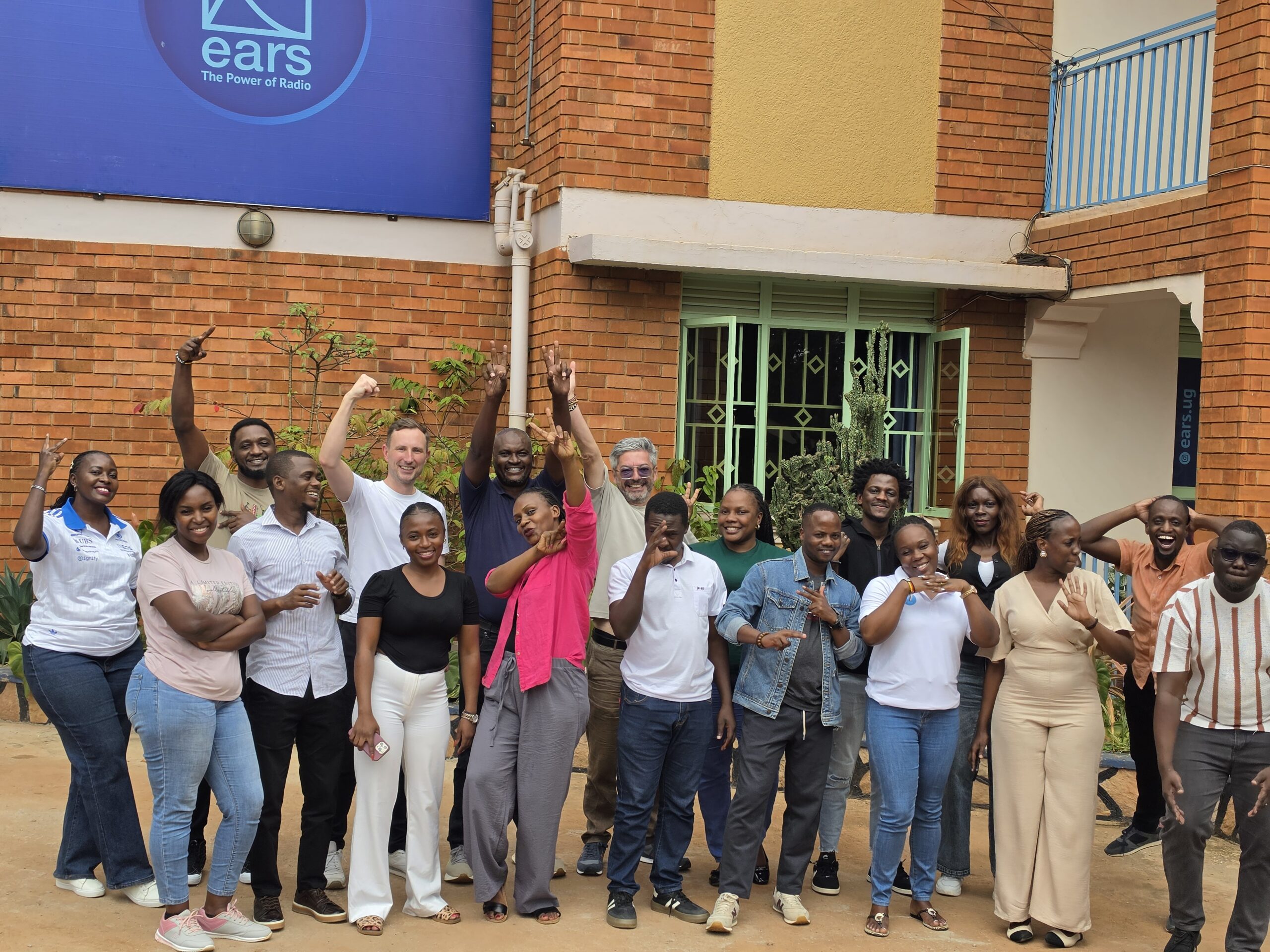
Thank you to Christoph Kruse for his time, experience and generosity. The week has given our team a shared language for digital audio and a practical way to take ideas to clients.
Planning audio for your next campaign? We would like to hear what your audience needs