The Power of Radio

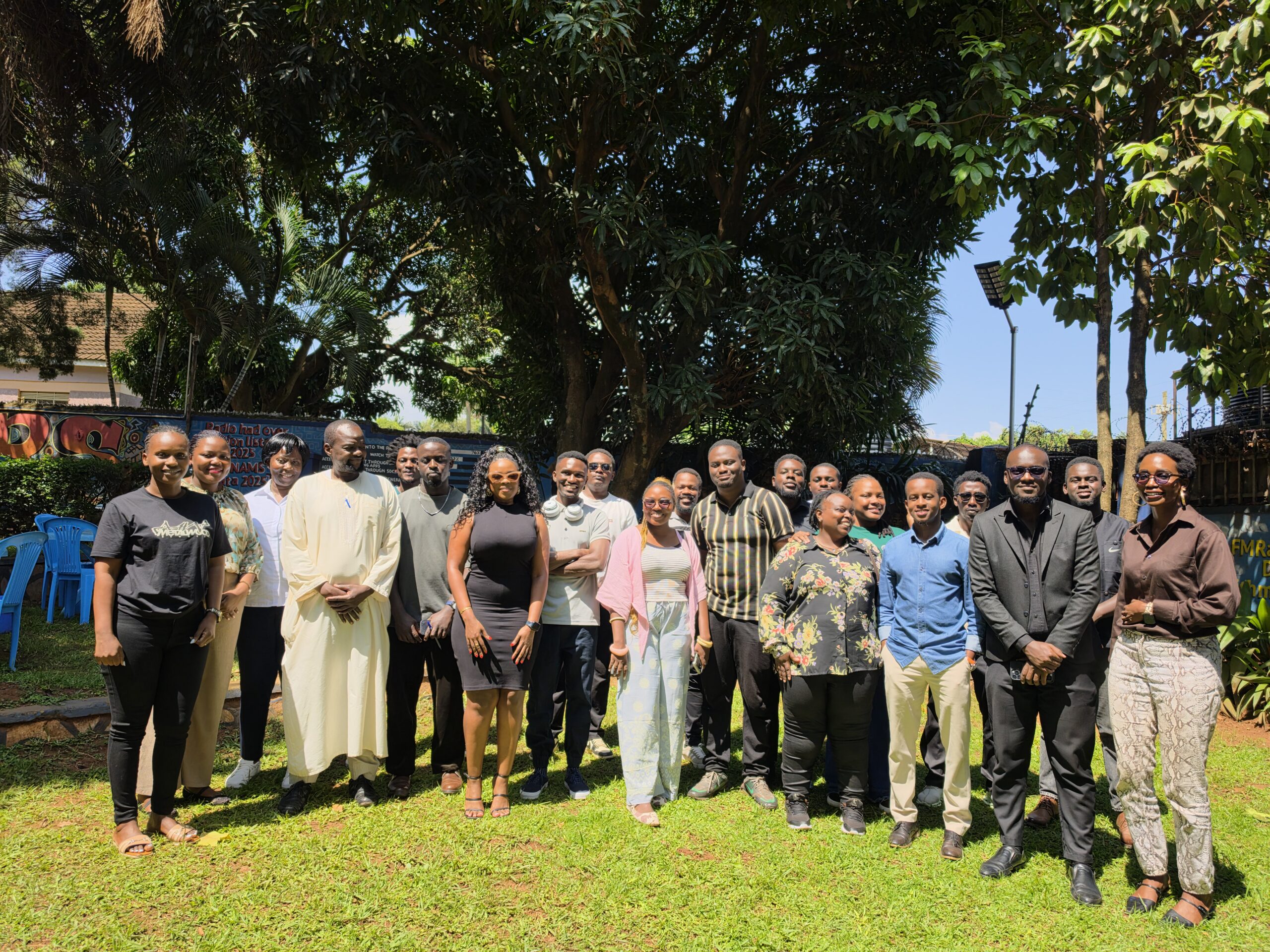
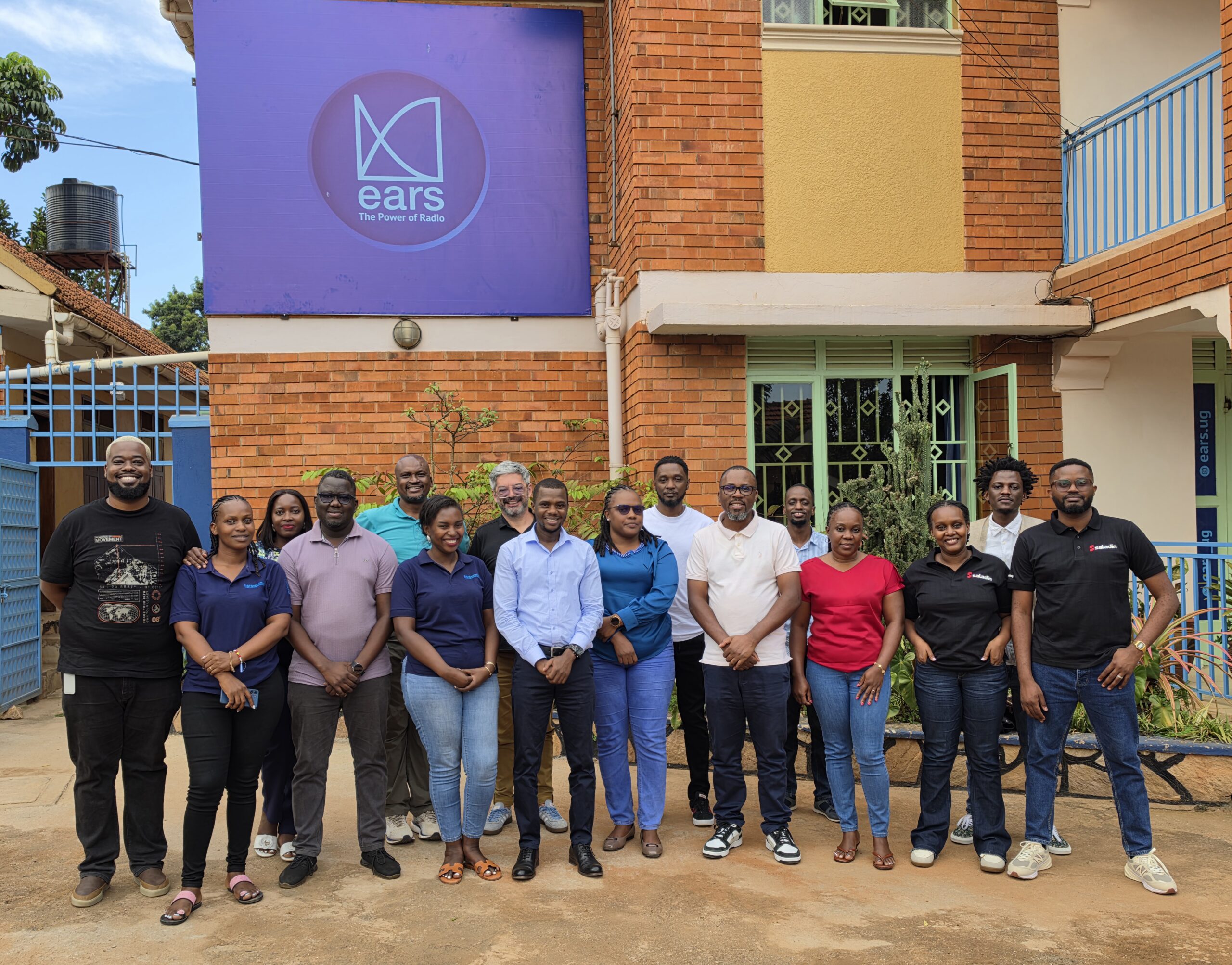
On Friday 23 October 2026, EARS brought ten young talents and two of Uganda’s podcasters together in Kampala. This is our account of the day.
Why we ran it
Uganda has a growing number of young people making podcasts, but the path from a good idea to a show that lasts is rarely written down. We wanted to change that. Our aim was simple: give emerging creators a real account of how Ugandan shows are built, from the people who built them, and leave the room with a plan for their own work.
The morning: learning from the source
We opened with a round of 60-second pitches. Each participant named their show idea in one minute, and the room began to see the range of topics and voices in the group.
Emeka, host of The Romantic Mukiga, then gave an in-depth account of his podcast journey, drawing on his own lived experience to show participants the industry’s do’s and don’ts and to share hard-won tips that no textbook could teach. He spoke about how the show began, what the early episodes took, and the decisions and mistakes that shaped it along the way. We chose speakers who would be specific rather than general, and Emeka was.
From idea to episode
Next, participants worked on the question that every creator faces: what makes an idea an episode? We looked at the angle, the stakes, and the person who can carry the story. Language came up too. Some stories work in English, others land best in Luganda or another local language, and that choice shapes the format. Participants then worked in mixed pairs on each other’s ideas, leaving with one episode outline each.
The afternoon: Sabrina Agasha on podcasting in Uganda
Sabrina Agasha’s session, Podcasting in Uganda, set the context for the whole day. She described a shift from mass media, which competed for broad audiences, to creators who build communities around specific interests. She shared the Ugandan reality: radio reached 18.3 million people in the past seven days, internet access does not automatically become podcast listening, production costs can be significant, and discoverability is a real challenge.
Her advice was practical. Start with the equipment you have, and prioritise sound and lighting. There are no rules, but every show needs a structure. Know who you are speaking to, and remember that your perspective and personality are part of what makes a show distinctive. On interviews, she urged hosts to make their guests comfortable, research them thoroughly, and listen: ask follow-up questions, notice unexpected details, and invite stories rather than statements.
On growth, her message was that consistency is a strategy. Choose an upload schedule you can sustain, batch-record where possible, and spread your show across the platforms where your audience already listens. On money, she mapped the options: sponsorships, advertising, products, live events, memberships, and creator programmes. Then she went through the part many creators skip. Build a pitch that sells your value, know your audience and your numbers, and follow up professionally with the brands you approach.
Audio, audience and the business of audio
Radio and podcasting were not presented as rivals. The strongest path we discussed was partnership. A podcast can be cut into a broadcast strand, a station slot can feed the on-demand audience, and an advertiser who knows the audience can see the value clearly. EARS shared how advertising is bought against audio in the region, what a distributor looks for in a show, and what a realistic first year of revenue can look like.
What participants took away
Participants worked toward a written episode outline, a revised pitch, a production checklist, a distribution plan that names at least one station or platform, and a first monetisation approach. Most importantly, they left with a peer network of Ugandan creators and a follow-up date already in the diary.
Our takeaway
A podcast grows fastest when it works with the audiences already listening. In Uganda, that audience is on radio: 18.3 million people listened in the past seven days. The shows that last will learn from that habit, build trust with their listeners, and invite them back.
Thank you
To Emeka and Sabrina Agasha, for opening their work and their experience to the room. To the participants, for bringing real ideas. And to MiCT, our partners in running the day.
If you were in the room, we would love to see what you are building. If you were not, follow EARS for the next conversation.